Advancing Cancer Treatment Through Research & Innovation
Our research focuses on developing breakthrough treatments that combine cutting-edge science with personalized patient care, pushing the boundaries of what's possible in cancer treatment.
Current Research Projects
Our current research projects are focused on developing breakthrough treatments that combine cutting-edge science with personalized patient care, pushing the boundaries of what's possible in cancer treatment.
Efficacy of Compression Therapy for Preventing Paclitaxel-Induced Peripheral Neuropathy in Patients with Early Breast Cancer: Insights from a Single-Centre Experience in Bangladesh
Prospective
Research Objectives:
- • Incidence of CTCAE version 5 grade 2 or higher CIPN in both upper and lower extremities during entire period of chemotherapy.
The Efficacy of Pembrolizumab for Treatment of Early Triple Negative Breast Cancer: A Single-center, Open, Randomized Controlled Trial
Primary endpoints: A) Pathological Complete Response at the time of definitive surgery B) Event-free survival in the intention-to-treat population Secondary endpoints: Overall survival at the end of 15 months
Research Objectives:
- • A prospective study to measure the efficacy of Pembrolizumab in Early Triple Negative Breast Cancer (TNBC) patients of Bangladeshi population.
Recent Publications
Peer-reviewed research contributions published in leading oncology journals, advancing the field of cancer treatment.
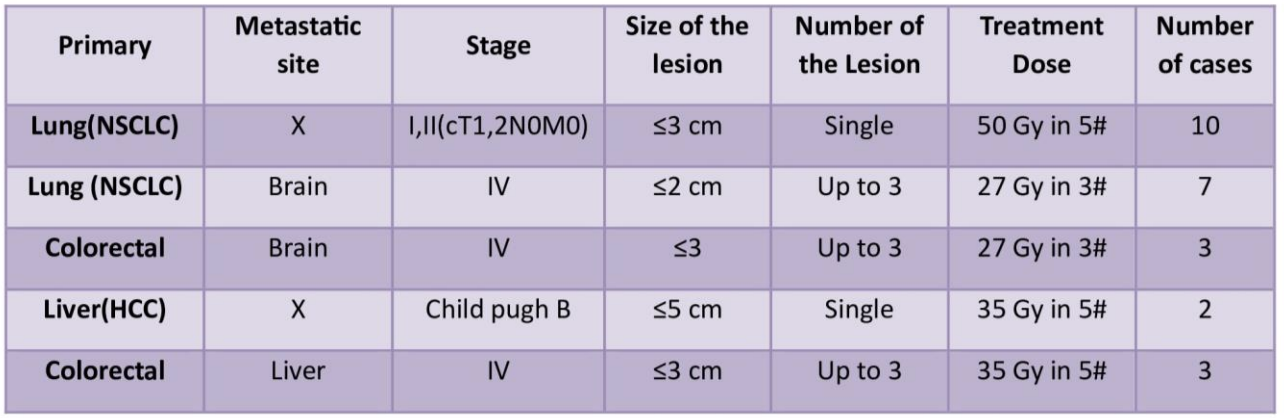
2842 Clinical Implementation And Outcomes Of SRT/SBRT With Linac-Based VMAT Technique In A Less Resourced Country- A Single Center Experience
The study involved 25 patients: 10 with intracranial lesions treated with 27 Gy in 3 fractions, 10 with lung lesions treated with 50 Gy in 5 fractions, and 5 with …
Key Findings:
A total of 25 patients were included (Table 1). Most patients were male (76%, n=19). Median age was 43 years (range 35-59). ECOG performance status …
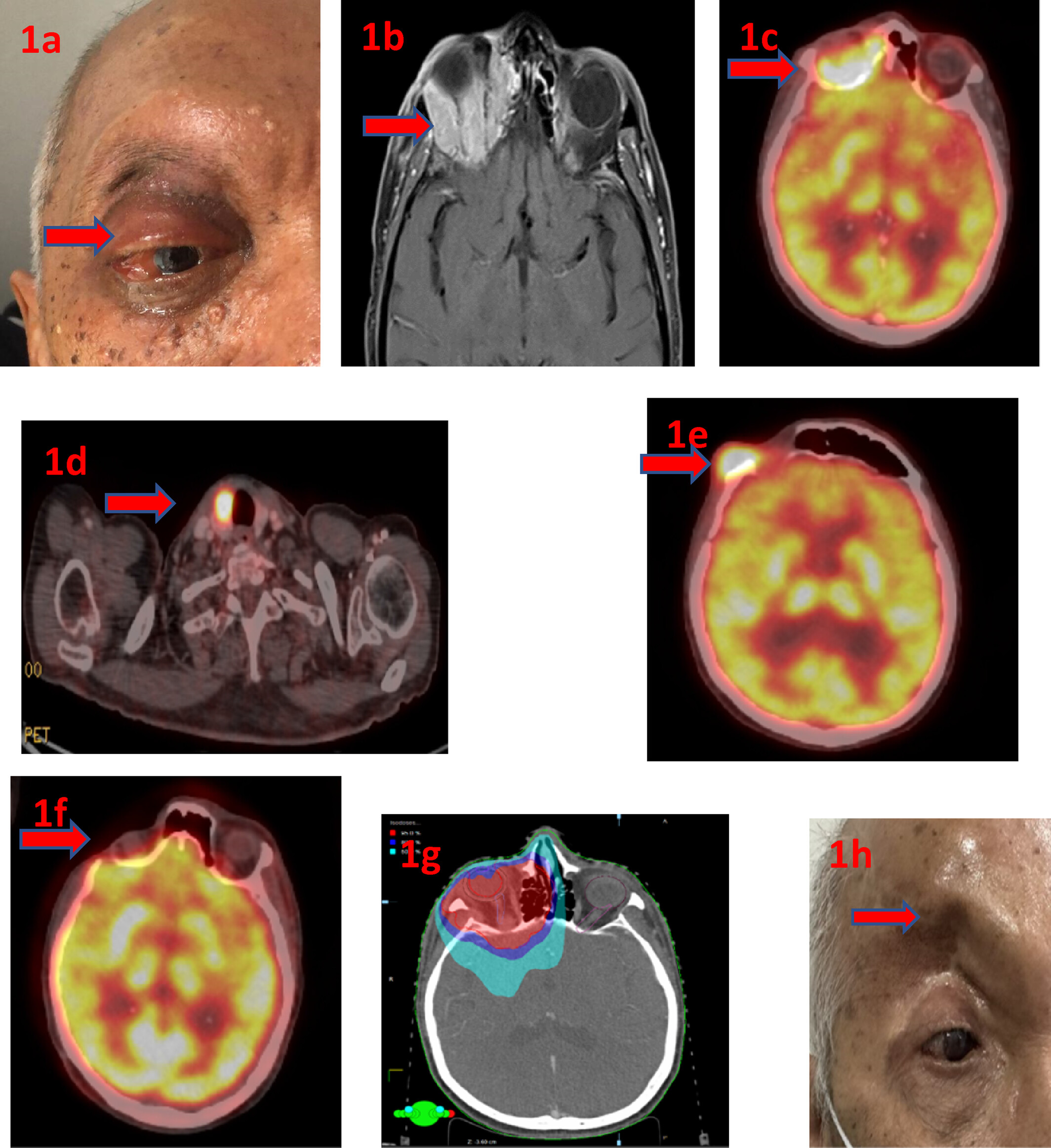
Case Report: Primary Squamous Cell Carcinoma of the Orbit in a Patient With Carney's Syndrome Treated With Multidisciplinary Approaches
Squamous cell carcinoma (SCC) is a rare malignancy of invasive epithelium with keratinocyte differentiation, and it is the most common form of eyelid malignant neoplasm, comprising 5%–10% of malignancies. While …
Key Findings:
A 62-year-old South Asian male presented with a painful swelling in the lateral aspect of the right eyebrow and protrusion of the eyeball in August …
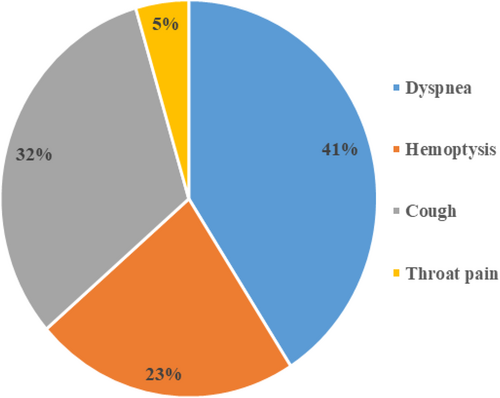
Clinical Manifestation and Multidisciplinary Treatment Approaches for Primary Tracheal Carcinoma in Bangladesh: A Clinical and Therapeutic Review of 13 Patients
A retrospective observational study was conducted at Bangladesh Specialized Hospital Limited, involving patients aged over 30 who were diagnosed with tracheal carcinoma and underwent multidisiplinary treatment from July 2018 to …
Key Findings:
The study illuminated varied clinical presentations and the successful application of multidisciplinary approaches among the 13 patients. Invasive squamous cell carcinoma and adenoid cystic carcinoma …
Showing 4 to 6 of 19 publications
Conference Presentations & Speaking Engagements
Sharing research findings and clinical insights at leading medical conferences worldwide.
15TH EUROPEAN BREAST CANCER CONFERENCE
The Impact of Dual vs Single Anti-HER2: A Real-World Retrospective Analysis of Treatment Outcome in Bangladesh
Background The integration of dual HER2 blockade (trastuzumab + pertuzumab, PH) has improved outcomes in HER2-positive breast cancer, particularly in neoadjuvant and metastatic settings. However, evidence from routine clinical practice in low- and middle-income countries is limited. This study aimed to evaluate real-world survival outcomes, response rates, and safety of dual versus single blockade (trastuzumab alone, H) across treatment settings.
ISRS 2026
FRACTIONATED STEREOTACTIC RADIOTHERAPY (FSRT) FOR OLIGOMETASTATIC DISEASE: A SINGLE-CENTER EXPERIENCE FROM BANGLADESH
Background: Oligometastatic disease represents a biologically intermediate state where aggressive metastasis-directed therapy may improve durable disease control. Fractionated stereotactic radiotherapy (FSRT)enables safe delivery of ablative doses to intracranial and extracranial lesions. We report updatedoutcomes of linac-based FSRT with the inclusion of an additional patient.
40th The Society for Immunotherapy of Cancer (SITC) 2025
The Role of Concomitent MET Amplification and High PD-L1 Expression in Non-Small Cell Lung Cancer: A case report of Implications for Targeted Therapy and Immunotherapy
MET amplification occurs in approximately 1-5% of treatment-naïve non- small cell lung cancer (NSCLC) cases. It can also develop as an acquired resistance mechanism, particularly after treatment with EGFR tyrosine kinase inhibitors (TKIs), where it's observed in about 15% of cases. This case underscores the coexistence of MET gene amplification and high PD-L1 expression in NSCLC, which has significant therapeutic implications. The presence of MET amplification suggests potential benefit from MET- targeted therapies, while high PD-L1 expression indicates responsiveness to immune checkpoint inhibitors. When MET amplification and high PD-L1 co-exist, the optimal treatment strategy can be challenging. The integration of molecular and immunohistochemical data guides personalized treatment strategies for this patient.
40th The Society for Immunotherapy of Cancer (SITC) 2025
Pathological complete response with Pembrolizumab in combination with chemotherapy for Neoadjuvant Treatment of Early Triple Negative Breast Cancer: A Single-center prospective study from Bangladesh.
Triple negative breast cancer is the kind of breast cancer that does not have any receptors which are usually found in breast cancer. It is estrogen- receptor, progesterone-receptor, and HER-2 receptor negative. About 10-15% of all breast cancers are triple negative. Its commonly seen in women aged than 40 years, and those have a BRCA-1 mutation. This is a more aggressive form of cancer, harder to treat and has chances of recurrences. The single most prognostic factor is still the pathological complete response in case of neoadjuvant (NACT)settings.
Showing 1 to 4 of 8 presentations